Back to Blogs
Enterprise AI Has an Accountability Problem

Model capability is no longer the limiting factor in enterprise AI adoption. The real hurdle organizations need to overcome is proving how and why their AI makes decisions.
In high-stakes use cases like fraud detection and other deterministic decisions, outputs must be not only accurate, but explainable and defensible. The problem is that most systems today weren’t designed with this level of accountability in mind. In fact, according to Deloitte’s 2026 research, nearly 3 in 4 companies (74%) plan to deploy agentic AI within two years, yet only 21% report having mature governance models in place.
This is the breaking point for trust in AI.
The AI industry built for capability, not accountability
Most AI systems today were built for capability, with far less emphasis on the accountability required for real-world deployment. They can generate outputs, automate workflows, and scale decision-making in ways that were previously impossible. But when those outputs are challenged by a regulator, an auditor, or a customer, many organizations cannot clearly explain why a decision was made. In low-stakes environments, that ambiguity may be tolerable. In enterprise and regulated settings, it is not. As AI becomes embedded in critical decisions across industries, the ability to justify outcomes is becoming table stakes.
And this confidence gap is already surfacing in the courts. Major institutions like UnitedHealth and Workday are facing lawsuits over AI-driven decisions, with judges demanding transparency into how those outcomes were produced. But if those systems weren’t designed to capture and surface that reasoning, how will they show their work?
Trust in AI requires explainability (XAI)
This is where explainability becomes essential. Too often, it is treated as a secondary feature—something to consider after a system is already in place. In practice, that approach falls short.
True explainability provides evidence of what actually shaped a result. It enables organizations to trace decisions and defend them under scrutiny. Without this level of clarity, AI remains a black box. With it, AI becomes something organizations can validate, govern, and actually trust.
Not all explainability techniques will survive an audit
Explainability as a concept has become the latest buzzword in enterprise AI, but not all techniques are created equal. Enterprises need to be strategic on how they implement explainability to achieve the desired outcome. Many techniques provide the appearance of transparency without delivering the depth required for real accountability.
Some of the current techniques rely on post-hoc explanations, where models generate reasoning after producing an output. While these explanations may sound convincing, they are not guaranteed to reflect the model’s actual decision-making process. Others focus on groundedness or citation scoring, which measure how well an output aligns with retrieved sources. These methods provide useful signals, but they only address part of the problem. They show that an answer relates to context, not what actually drove it.
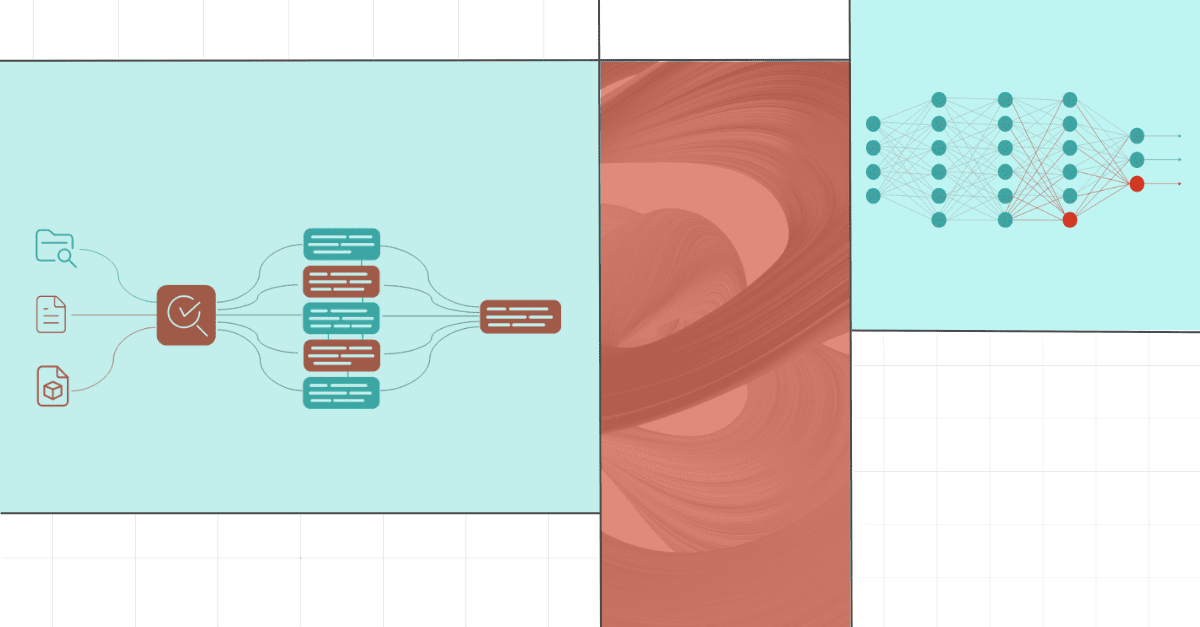
A more rigorous approach is measured influence attribution. Instead of generating explanations, it quantifies how different inputs impact the model’s output. By systematically evaluating how changes in data or context affect results, it produces verifiable evidence of what influenced a decision. This creates a defensible foundation for explainability, and one that can withstand audits, regulatory reviews, and legal challenges.
Closing the confidence gap on enterprise AI
The gap between AI capability and AI accountability is where the greatest challenges in enterprise AI adoption exist today. Closing that gap requires teams to look at AI system design in entirely new ways. Explainability must be built into the foundation, not bolted on as an afterthought.
This means building systems that can not only generate outputs, but also provide clear, traceable evidence of how those outputs were produced. It means treating contestability as a core requirement, not an edge case. And it means preparing AI systems to operate in environments where every decision may need to be explained, validated, and defended.
In this blog, we’ve reviewed the current pitfalls and opportunities in explainability, but the full framework for building trust in AI goes deeper. In our latest webinar, Senior Director of AI Solutions, Ben Faircloth, breaks down the most effective explainability techniques in greater detail, outlines what it takes to operationalize explainability and contestability in high-stakes environments, and demonstrates how these techniques help enterprises build trust and defend their AI decisions in the real world. Access the on-demand webinar now to learn more.
Get the full framework for explainable AI
Get instant access to the on-demand webinar and learn how to break open the black box and foster trust and accountability in your AI systems.
Access now




Accelerate your path to AI impact
Book a consultation with an AI expert. We’re here to help you speed up your time to AI ROI.
Request a demo